
In the religious world today, there is no shortage of worship styles and services, all of which differ in mode and operation. It begs the question as to whether they are all approved of by God. Some will say that the details of their worship to God do not matter, that anything is acceptable. I wonder if those same folks would be okay with animal sacrifices being done in a voodoo ritual, or snake handling being done by some fringe group, however. It would seem that we all would draw a line somewhere.
The question then becomes where do you draw that line? If we are all going to do something different in our worship to God, who determines if that is acceptable or not? The root of the issue really boils down to authority. Do we have the authority to make our own decisions when it comes to worshiping God?
In the New Testament of the Bible the subject of authority comes up often. In one such instance, the chief priests and elders are questioning Jesus in the temple and asking where His authority comes from to do what He was doing. Jesus responded with a question of His own. “But Jesus answered and said to them, ‘I also will ask you one thing, which if you tell Me, I likewise will tell you by what authority I do these things: The baptism of John—where was it from? From heaven or from men?” (Mat. 21:24-25 NKJV). Notice that Jesus only gave two options for the source of authority. Authority either comes from heaven or from men.
Everything that is done in religion today is done by one of those two sources of authority. Either what we do is done with the authority of God Almighty, or what we do is by our own authority. God has a preference. In rebuking the Pharisees and scribes, Jesus referred to them as hypocrites and stated, “And in vain they worship Me, teaching as doctrines the commandments of men” (Mark 7:7, Mat. 15:9). Worship that is vain is useless. God will not accept useless worship. God wants to be worshipped as He has commanded.
We need to have biblical authority for what we teach and practice. Paul explained in Colossians 3:17 that whatever we do in word or in deed needs to be done in the name of the Lord. That doesn’t mean we do what we want and slap the name of Jesus on it. That means that we do it according to His authority. Let us examine our own selves to see that we are doing what the Lord wants when it comes to our worship of Him. By what authority do you do these things?




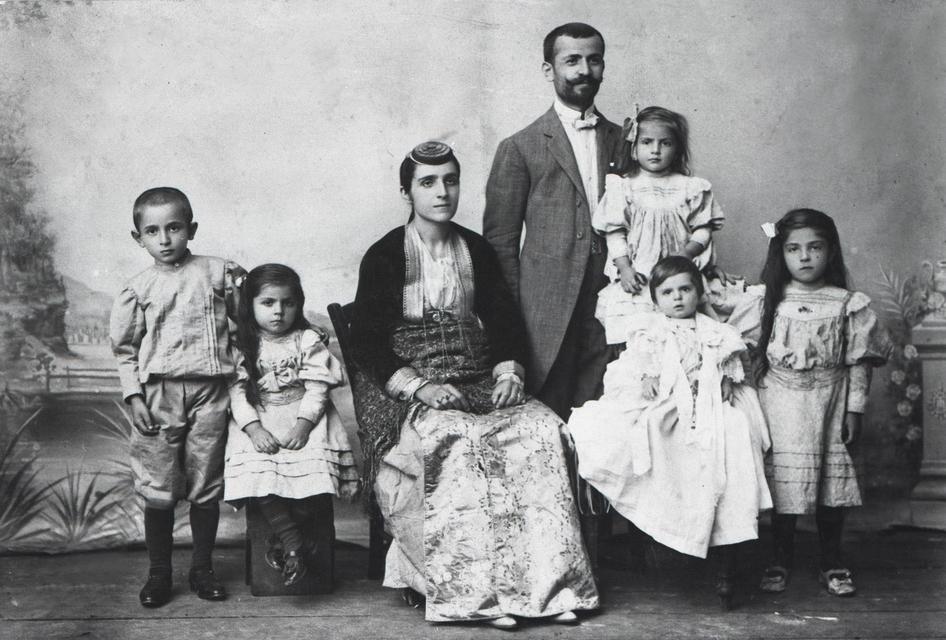 If we are like most people, somewhere amongst all of our belongings there is a family photo album or two. From time to time we like to take out that photo album and relive the memory of lost loved ones or special times and events in our life. Maybe we gather around with others in our family and share stories from the past. Family is important and makes us feel like we belong to a group with a common background, common experiences, and a shared heritage. Just imagine for a moment what it would be like if God had a family photo album. Whose pictures would be in that album?
 Recent research has suggested that the consumption of grape juice is an aid in either avoiding Alzheimer’s, or that it can slow the process of memory loss in those with the brain disease. Alzheimer’s is thought to be brought on by stress and free radicals in a person’s physiology. Since antioxidants combat free radicals, and since grape juice is rich in antioxidants, the thought is that grape juice can help combat one of the causes of the disease (
 Have you ever prayed for God to take care of some problem that you had, and then wondered what the answer to that prayer would be? It is especially difficult for us as Americans to be patient in waiting for a response. We are so accustomed to fast food, microwave ovens, and instant messaging that we expect immediate results. Additionally, it may be that the answer to our prayer is “not now,” and so we have to wait awhile for the result. This is a normal situation, but during the time of Hezekiah, he received an instant response to one of his prayers.
 salvation's path