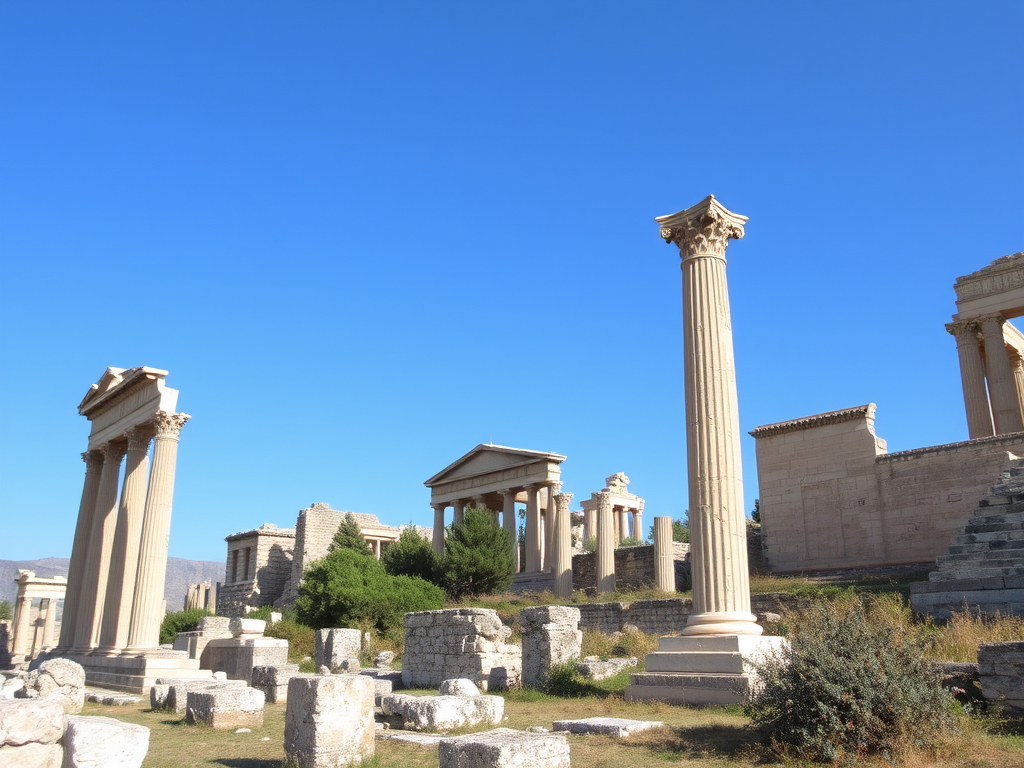
In times of crisis, we often face the dilemma of whether to fight or flee. The fight or flight response is a natural reaction that occurs when we are faced with a threat. As a child growing up in a tough neighborhood, the decision to fight or flee might depend on the number of antagonists. In Psalm 11 David’s trust in the Lord is highlighted. The Lord will protect His own, regardless of what is happening in the world. Even if society breaks down, the righteous must remain upright and rely on the Lord. It’s easy to run, but sometimes God needs us to take a stand.
Flee as a Bird
Presented as the only choice, Psalm 11:1-3 discusses the idea of fleeing when the foundations are destroyed. David, who had great faith in God, was advised to run during times of danger. There were instances in David’s life when he had to flee, such as when Saul wanted to kill him, and he ran to Nob, the wilderness, the stronghold, Moab, and Philistia. Similarly, when Absalom tried to take the throne, David was advised to flee as a bird to the mountains. Birds don’t stand and fight when threatened; they flee and fly away, making it difficult to track them in the mountain forests.
This advice might have been insincere and not in David’s best interest, similar to the advice given in Luke 13:31-32. The wicked bend their bow, and the imagery of an assassin waiting in the dark to shoot is used in Psalm 11:2. Psalms are poetic and often use figurative language, with arrows and shooting referring to the tongue and harsh words, as seen in Psalm 64:3-4. David is told to flee, but he hears the wicked wagging their tongues against the upright.
How does it make us feel when others speak against God or His holy word? Do we want to run away? Are we afraid of them? If the foundations are destroyed, will we tell the truth even if it is labeled as hate speech by society? David is told that the righteous can do nothing but flee in such situations. This psalm might not refer to a specific instance in David’s life, but it brings to mind the Philistines and Goliath in Samuel 17. David was sent to take supplies to his brothers, who had been arrayed in battle against the Philistines for 40 days. He was told to flee back home, as the battlefield was no place for a young shepherd boy. However, David heard Goliath wagging his tongue against the armies of Israel, speaking against God. David saw this as a test, and he had faith in the God who had always delivered him.
Stand and Fight
David could fight because the foundation of God is sure and steadfast. Rather than fleeing to the mountains, David put his trust in the Lord, as seen in Psalm 11:4-7. The Lord is in His holy temple, not on earth, as the temple had not been built yet. His throne is in heaven, and He sees everything, knowing if we are men or mice. God makes a careful examination of us during our lifetime. He wants to see if we will trust in Him. We should count it all joy when tested, as the Lord tested Abraham, Moses, and Israel. David’s battle with Goliath was a test, and while Saul and the rest of the army failed, David had faith in God.
God hates the wicked and those who love violence. David didn’t rush into battle because he loved violence, but to defend the glory of the Lord. The wicked will be punished, as seen in Psalm 11:6, and will not stand in the day of Judgment. The Lord is righteous and just, loving what is right and executing judgment. He looks with favor upon the upright, and the foundations of the Lord are strong and everlasting. We should desire to see His face and do what is right to receive His favor.
We must decide whether to fight or flee when the moment comes. We are not told to flee from the devil but to resist him, and he will flee from us. God has not given us a spirit of timidity but wants us to put on the armor of God and stand, placing our trust in Him like David did. Even if the world collapses, the foundation of God is solid and reliable. The Lord examines us and wants to see us doing what is right, passing the test, and receiving His favor. The final exam is coming, and we must be prepared to stand and fight, relying on the strength of the Lord.


 Recent research has suggested that the consumption of grape juice is an aid in either avoiding Alzheimer’s, or that it can slow the process of memory loss in those with the brain disease. Alzheimer’s is thought to be brought on by stress and free radicals in a person’s physiology. Since antioxidants combat free radicals, and since grape juice is rich in antioxidants, the thought is that grape juice can help combat one of the causes of the disease (
 There is an old Stevie Wonder song where he sings about someone being the apple of his eye. The descriptive “apple of his eye” is used to denote that person who is most precious to him. The one that he cannot do without. We might consider how we look at God, and whether He is the apple of our eye, but instead let us consider who or what is the apple of God’s eye.
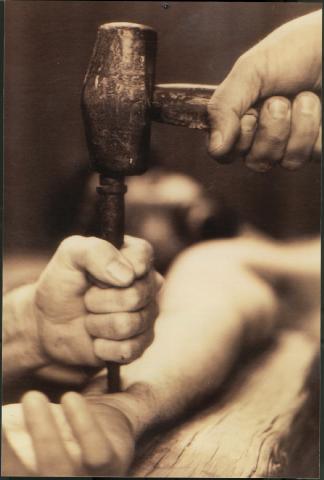 During this time of the year when many people are thinking about the death, burial, and resurrection of Jesus, many might read from Isaiah 53, which predicts the Christ’s ordeal on the cross. Have you ever read that account, however, and wondered about just what it says? In verse 4 we read that Christ was, “Smitten by God, and afflicted” (Isaiah 53:4, NKJV). Later it declares, “And the Lord has laid on Him the iniquity of us all” (Isaiah 53:6). “He was cut off from the land of the living; For the transgressions of My people He was stricken” (Isaiah 53:8). On and on we read within Isaiah’s prophecy about how Jesus was going to be mistreated by mankind. But then we read the statement, “Yet it pleased the Lord to bruise Him; He has put Him to grief” (Isaiah 53:10, emphasis added). Just how could this bloody sacrifice of His one and only unique Son be pleasing to God?
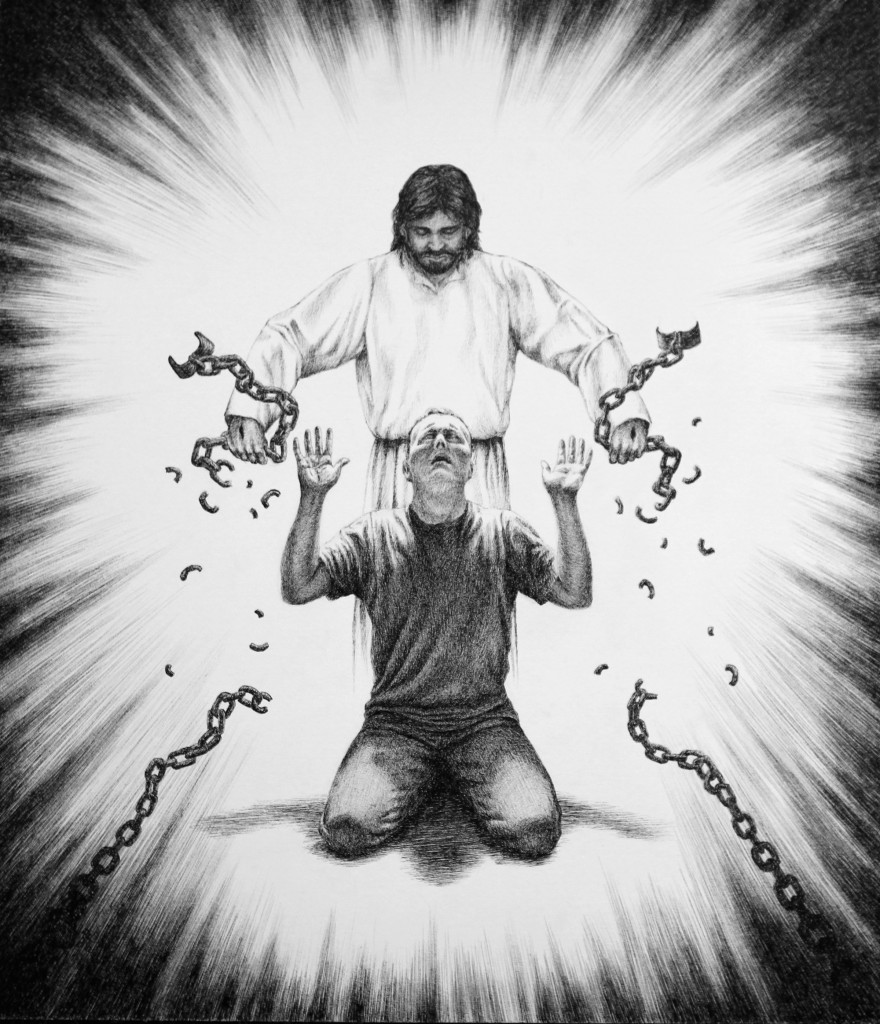 Have you ever wondered just why Jesus came to earth, especially at this time of the year when the world is thinking about Him? Consider for a moment what Jesus already knew before He ever left heaven. He knew that men would seek to kill Him as a toddler (Mat. 2:16). He knew that He would not be received by His own people (John 1:10-11). He knew that He would be rejected by men (Isaiah 53:3-5). He knew that He would be put to death on the cross, not for any wrong that He had done, but for the sins of mankind (Isaiah 53:9; 2 Pet. 2:22-25). And, yet, He came anyway. Why?
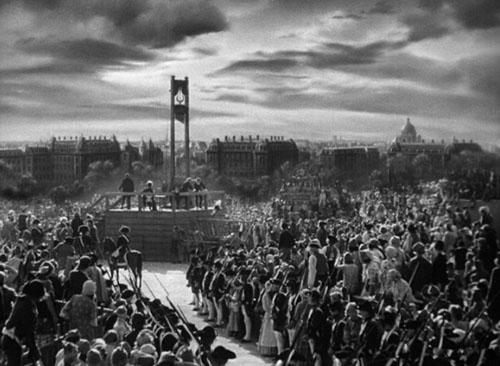 In Charles Dickens’ novel, A Tale of Two Cities, there comes a point where one of the main characters, Charles Darnay, is arrested by the mob during the French Revolution and is sentenced to death. Because of the love that he has for Charles’ wife, Lucie, another character, Sydney Carton, takes Darnay’s place at the guillotine instead. As Carton goes to his death, he utters the most famous line of the novel, “It is a far, far better thing that I do, than I have ever done; it is a far, far better rest that I go to than I have ever known.”
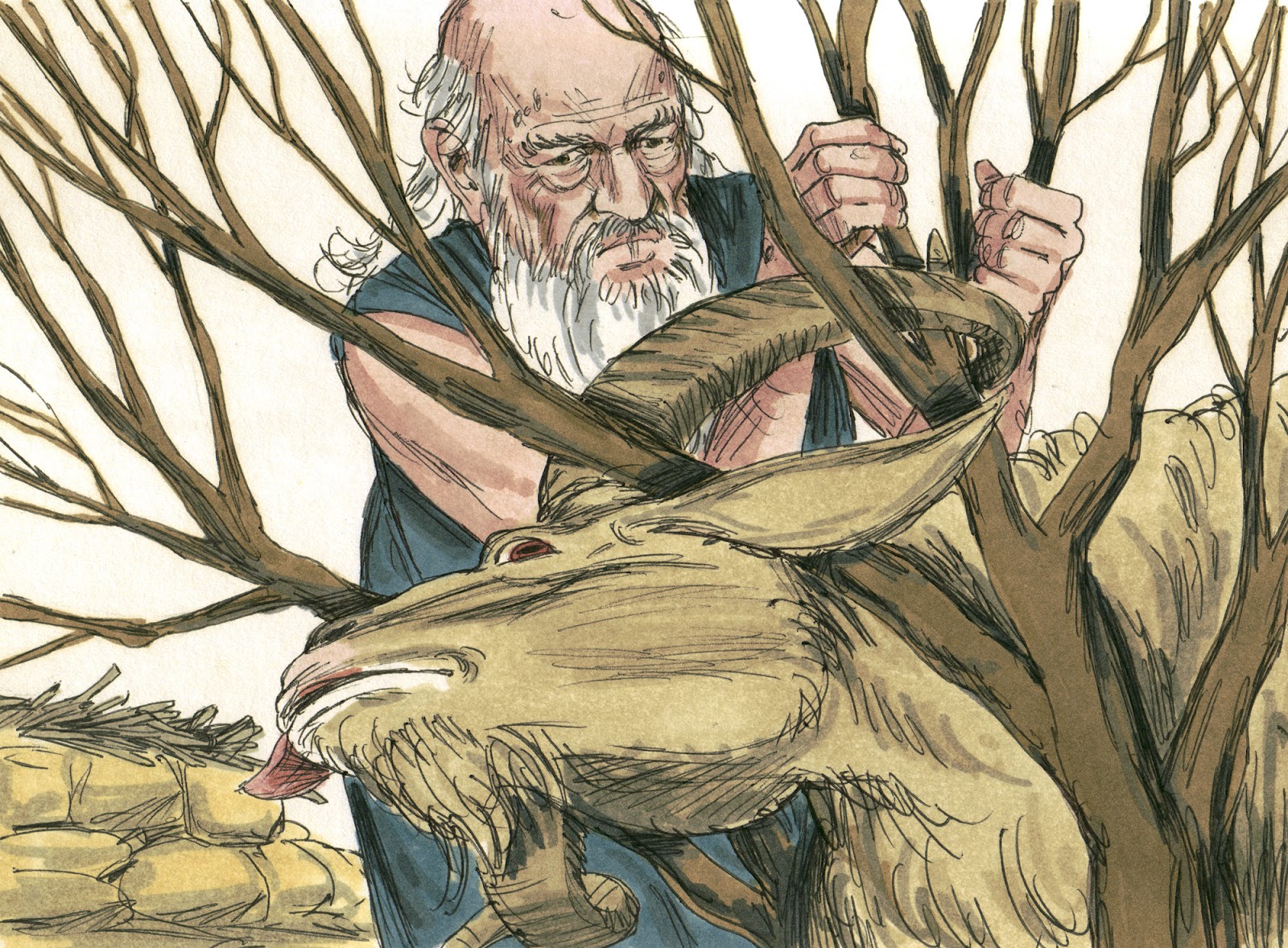 This is significant in that it shows the attitude of Abraham that he had faith in God, and he believed that God would provide for him that which is necessary. The name Yaweh-jireh ties in with the thought expressed earlier in the chapter when Isaac inquires of his father about the lamb for the sacrifice (Genesis 22:8). Abraham’s answer to Isaac is “well-nigh prophetic” in answering him that they would be provided for by God Himself. This comes to fruition when Abraham is halted from his sacrifice of Isaac and a ram is provided by God for their sacrifice. Thus in the name Yaweh-jireh we find that the Lord has provided or seen to the needs of Abraham and Isaac.
 salvation's path