
It’s a question that has troubled people for generations: Why does it seem like those who do wrong often get away with it, while those who strive to do right face hardship? Whether it’s seeing others break the rules on the road or watching the wealthy escape justice with the help of top lawyers, the apparent prosperity of the wicked can be confusing. This dilemma is not new, it was pondered by Asaph, a musician appointed by King David, as recorded in Psalm 73. Asaph’s honest struggle with this question provides us with valuable insight.
Asaph observed that the wicked seemed to live lives of luxury and ease, free from the troubles that plagued others. In Psalm 73:2-12, he admits his own envy and discouragement, feeling as though his commitment to God was pointless when the boastful thrived. The wicked appeared to avoid consequences, buying their way out of trouble and living in comfort. Their arrogance and pride were on full display, yet they continued to prosper. This led Asaph—and can lead us—to question whether devotion to God is in vain, especially when suffering seems to be the reward for righteousness.
It’s easy to become discouraged when the world’s values seem upside down. The temptation to envy those who disregard God’s ways is real, especially when their lives look so appealing. Asaph’s pain was not just intellectual; it was emotional, making him question the very purpose of his faith.
However, Asaph’s perspective shifts when he considers the bigger picture—eternity (Psalm 73:17-20). He realizes that the prosperity of the wicked is fleeting. Their foundation is slippery, and their end is destruction. Wealth and abundance, while desirable, can become obstacles to following God if they become the ultimate goal. The laughter and comfort of the wicked will not last; judgment awaits.
In contrast, the destiny of the righteous is secure (Psalm 73:21-26). Asaph admits his own ignorance and grief, but he remembers that God is always with him, guiding and ultimately welcoming him into glory. The true value lies not in temporary success, but in an eternal relationship with God. Jesus is described as our advocate, the ultimate “legal dream team” for eternity (1 John 2:1).
It’s easy to be blinded by the world’s definition of success and comfort. The apparent lack of justice can make us question our values and choices. But Psalm 73 reminds us that the story isn’t over—the wicked will face judgment, and the righteous will be rewarded for their faithfulness. Sometimes, being caught when we do wrong is a blessing, steering us back to the right path. The real question is: How shall we live? What will we value? The invitation is clear, don’t be on the outside looking in. Trust in God’s testimony and remember that true prosperity is found not in what we gain in this world, but in what awaits us in eternity.
 If we are like most people, somewhere amongst all of our belongings there is a family photo album or two. From time to time we like to take out that photo album and relive the memory of lost loved ones or special times and events in our life. Maybe we gather around with others in our family and share stories from the past. Family is important and makes us feel like we belong to a group with a common background, common experiences, and a shared heritage. Just imagine for a moment what it would be like if God had a family photo album. Whose pictures would be in that album?
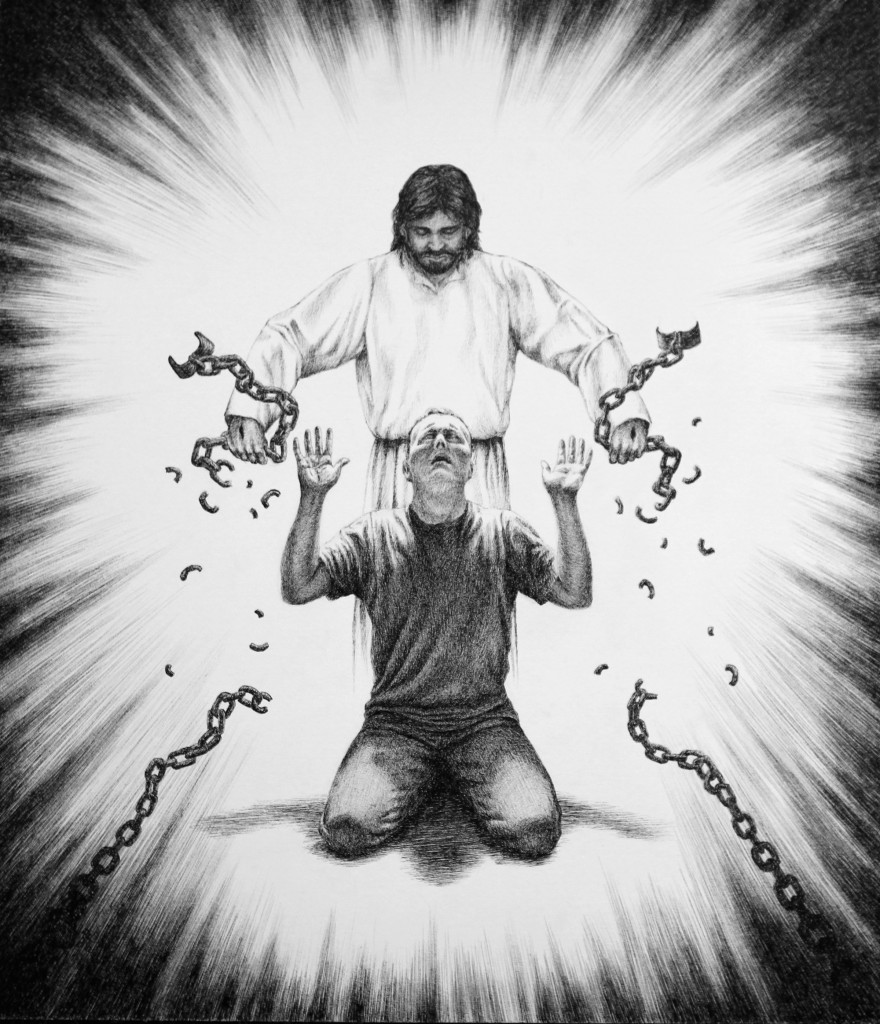 Have you ever wondered just why Jesus came to earth, especially at this time of the year when the world is thinking about Him? Consider for a moment what Jesus already knew before He ever left heaven. He knew that men would seek to kill Him as a toddler (Mat. 2:16). He knew that He would not be received by His own people (John 1:10-11). He knew that He would be rejected by men (Isaiah 53:3-5). He knew that He would be put to death on the cross, not for any wrong that He had done, but for the sins of mankind (Isaiah 53:9; 2 Pet. 2:22-25). And, yet, He came anyway. Why?
 salvation's path