
In 1 Samuel 8 the nation of Israel came to Samuel, who was the last of the Judges. Apparently, they felt Samuel was too old to continue to be their leader, as they pointed out the obvious to him. More importantly, they wanted a king so that they could be like the nations surrounding them.
This was not what God had desired for them. He was supposed to be their king. They were to look to God for His guidance, they were to rely upon Him for their protection, and they were not to be like the nations in the land of Canaan (Lev. 20:23). God had called them to be a holy people, who would be different and distinct from their neighbors (Ex. 19:6; Lev. 19:2).
Likewise, God calls for us today to be holy and distinct from the rest of the world (Eph. 1:4; 1 Pet. 1:15-16). In 2 Corinthians 6 Paul explains that Christians today are the temple of the living God, and so we are to “Come out from among them And be separate, says the Lord. Do not touch what is unclean, And I will receive you” (2 Cor. 6:17). Too often we are comfortable being like the world, but God desires something better from us. Let us realize that we have a great King, and let us walk in His ways.

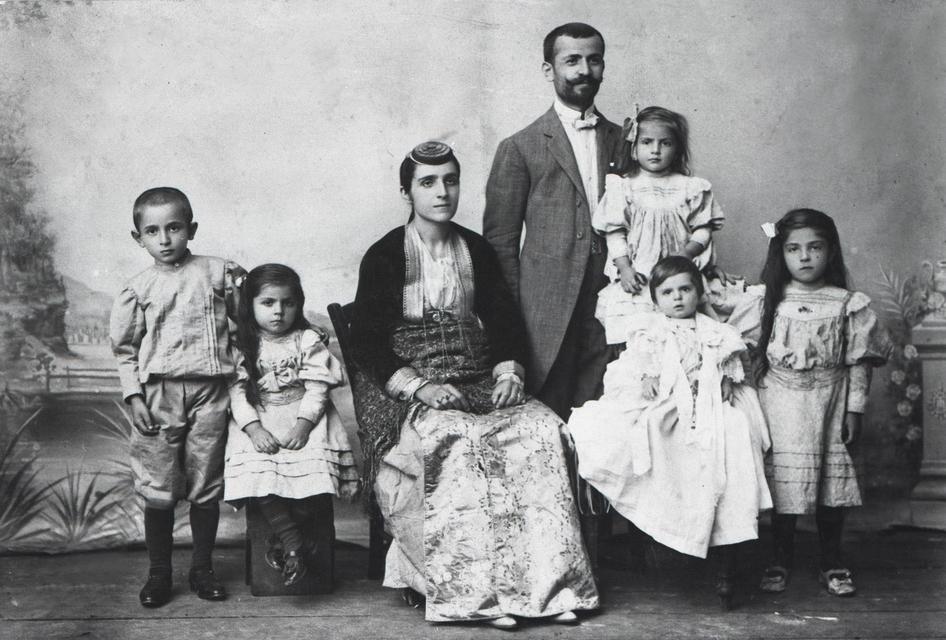 If we are like most people, somewhere amongst all of our belongings there is a family photo album or two. From time to time we like to take out that photo album and relive the memory of lost loved ones or special times and events in our life. Maybe we gather around with others in our family and share stories from the past. Family is important and makes us feel like we belong to a group with a common background, common experiences, and a shared heritage. Just imagine for a moment what it would be like if God had a family photo album. Whose pictures would be in that album?
 Have you ever prayed for God to take care of some problem that you had, and then wondered what the answer to that prayer would be? It is especially difficult for us as Americans to be patient in waiting for a response. We are so accustomed to fast food, microwave ovens, and instant messaging that we expect immediate results. Additionally, it may be that the answer to our prayer is “not now,” and so we have to wait awhile for the result. This is a normal situation, but during the time of Hezekiah, he received an instant response to one of his prayers.
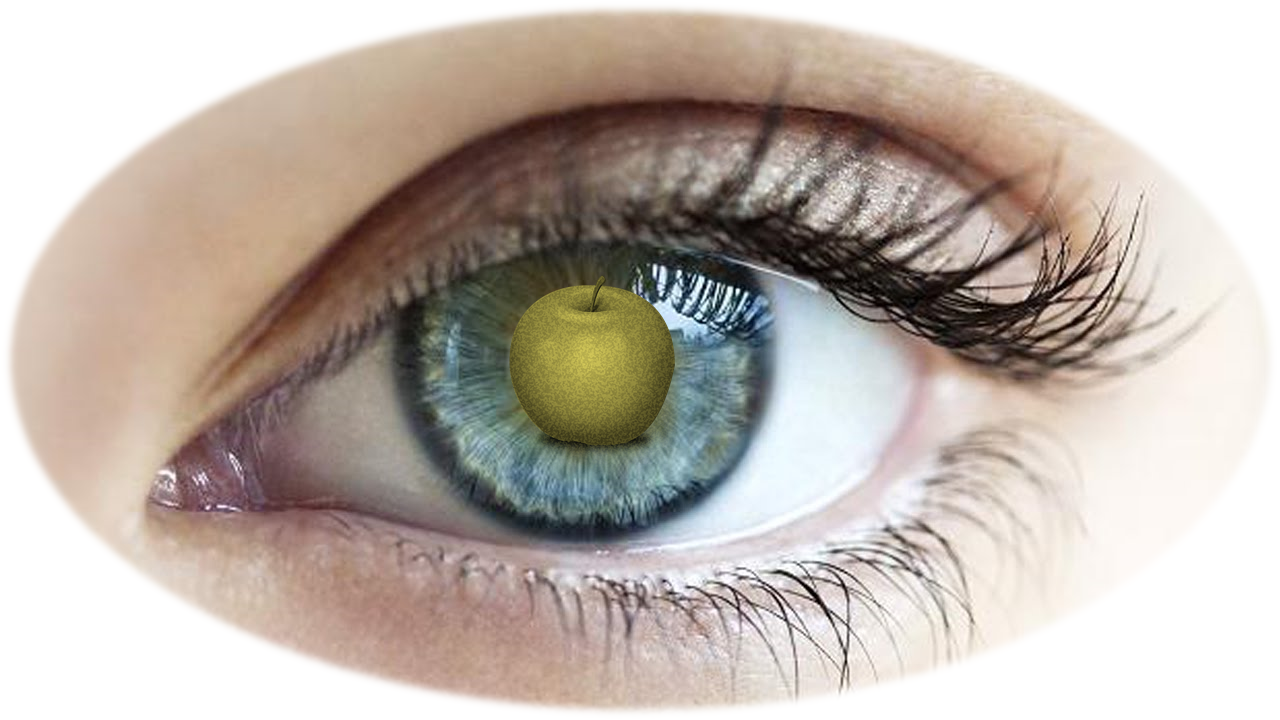 There is an old Stevie Wonder song where he sings about someone being the apple of his eye. The descriptive “apple of his eye” is used to denote that person who is most precious to him. The one that he cannot do without. We might consider how we look at God, and whether He is the apple of our eye, but instead let us consider who or what is the apple of God’s eye.
 If someone were to ask you if you love Jesus, what might your response be? Some may want to know who Jesus is. Others may inquire as to what is meant by “love.” There might be those who would want to know why such a question is being asked of them. Yet it is likely that many would say that, yes, they love Jesus. How many of those who say that they love Jesus would also say that they are obeying His commands?
 Near the end of the kingdom of Judah, the word of the Lord came to the prophet Jeremiah and he was told to put all the accusations against Israel in Judah into a scroll. The hope of the Lord was that the people in Judah would hear about all the wrong things that were done, which offended God, and that they would repent before it was too late. The scroll was dictated by Jeremiah and written by the hand of Baruch, who was a scribe. After being read in the temple, the scroll was taken to king Jehoiakim, the son of Josiah (Jeremiah 36:1-4, 16).
 Is it acceptable for each of us to do that which is right in our own sight? Are we free to make our own rules for what is right and wrong? Toward the latter section of the book of Judges, we find that there are two phrases that that are oft repeated for emphasis. The first of these is a reminder that there was no king in Israel in those days, and the second is that everyone did what was right in their own sight (Judges 17:6; 18:1; 19:1; 21:25). In these examples we can find the answer to our questions.
 Americans across the country are beginning to gather in coffee shops, local burger joints, and neighborhood hangouts and discussing who our next president will be. Those in Iowa, New Hampshire, and other early primary states have made, or are making their choices now. We see it as a great privilege within our political system that we are allowed to choose our choice candidate to be our next leader. While democracy in politics and government is a great system, we must be sure to recognize that we do not get to choose when it comes to the one who is our ultimate ruler.
 When things go wrong it seems that the one thing we never run short of is blame. Just take the Cleveland Browns, for instance. When things go wrong in Cleveland, as they often do, everyone looks for who is to blame for this year’s fiasco. From the ownership, to the general manager, to the head coach, to the assistants, to whomever played the most games at quarterback that year there is always plenty of blame to go around.
