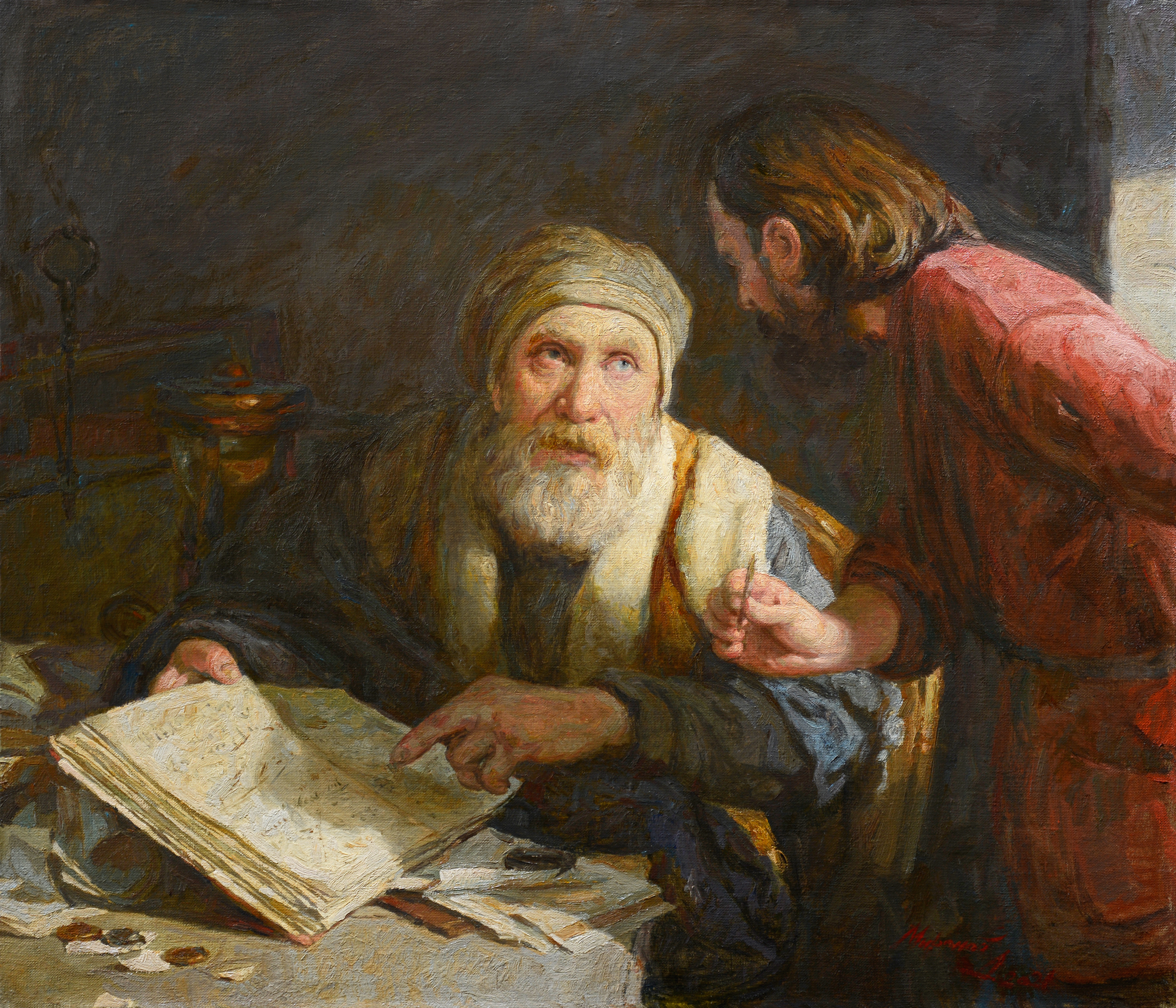
The Importance of Stewardship

Many preachers shy away from discussing money and giving, fearing it may seem self-serving. Yet, the Bible speaks extensively about stewardship. The word “steward” comes from Old English, meaning “house guardian” or “keeper of the hall.” Historically, stewards managed the affairs of a household or estate, overseeing servants and ensuring smooth daily operations. In essence, a steward manages what belongs to another.

It’s vital to exercise good stewardship over what God has given us. Whatever we think is ours truly belongs to God (Psalm 24:1; Psalm 50:10; 1 Chronicles 29:14). Giving to God is like buying a gift with the celebrant’s own money. From the beginning, humanity was meant to be stewards (Genesis 2:15). Our responsibility is to do well with what we’ve been given.

The Parable of the Unjust Steward

Jesus illustrates stewardship in a negative light through the Parable of the Unjust Steward (Luke 16:1-13). In this story, a steward is accused of wastefulness, in similar fashion to the prodigal son squandering his inheritance. Forced to give an account, the steward doesn’t even try to defend himself. Facing unemployment, he refuses manual labor and is too proud to beg, yet not ashamed to cheat and steal.

To secure his future, he reduces the debts of his master’s debtors, hoping they’ll help him later. These are not trivial amounts, being hundreds of gallons of oil and bushels of wheat. Would you trust someone like this? If he is willing to cheat this master, why wouldn’t he cheat you as well?

Even though the master is defrauded, he admires the steward’s shrewdness from a worldly perspective. In this parable, everyone is focused solely on wealth and possessions.

Being Focused on What Comes Next

Jesus does not commend the steward’s cunning. All the characters are unwholesome.  The steward cheats, the debtors accept the amended bills knowing the truth, and the master admires shrewdness. Jesus is highlighting how much effort people put into pursuing worldly gain (Luke 16:8b). Those chasing “mammon of unrighteousness” go to great lengths to acquire it, contrasted with the pursuit of true riches (Luke 16:11-12).

Many trust in uncertain riches rather than the eternal God (1 Timothy 6:17). If we cannot properly handle what belongs to another (all we have belongs to God), how will we receive our own reward? This becomes a salvation issue. Christians often exert less effort to “win heaven” than worldly people do to “win earth.”

Consider a professional golfer who participates in relentless practice, strategic planning, and dedication to perfecting every shot. Are we as diligent in our pursuit of the lost or in serving God? Our stewardship should focus on what comes next — our eternal home.

Jesus, perhaps with sarcasm, suggests making friends with those pursuing unrighteous mammon and asking them to care for you eternally (Luke 16:9). How will that work out? It’s like God telling Israel to call out to their idols in times of trouble.

If we are not faithful in little things, how can we be trusted with true riches? (Luke 16:10; 1 Corinthians 4:2). Faithfulness in small matters leads to faithfulness in greater ones. Our focus must be on God, not mammon (Luke 16:13). You cannot serve two masters, because eventually, you must choose one over the other. Mammon says blessing comes from gaining; God says blessing comes from giving. These cannot be reconciled. Galatians 6:6-10 and 1 Peter 4:7-11 remind us to have the right attitude and motivation: to glorify God.

Conclusion

Why did Jesus tell this parable? Some listeners loved money and were unwilling to share (Luke 16:14; 1 Timothy 6:10). They cared only for themselves, missing the bigger picture. They understood Jesus’ message and derided Him.

To be prepared for the hereafter, we must be good stewards now. Who would entrust great riches to someone who cannot handle a little? The greatest riches await us in heaven, but what we do with what we have now matters. We must behave in a way that is worthy and make our blessings count.

Why Do The Wicked Prosper?

It’s a question that has troubled people for generations: Why does it seem like those who do wrong often get away with it, while those who strive to do right face hardship? Whether it’s seeing others break the rules on the road or watching the wealthy escape justice with the help of top lawyers, the apparent prosperity of the wicked can be confusing. This dilemma is not new, it was pondered by Asaph, a musician appointed by King David, as recorded in Psalm 73. Asaph’s honest struggle with this question provides us with valuable insight.

Asaph observed that the wicked seemed to live lives of luxury and ease, free from the troubles that plagued others. In Psalm 73:2-12, he admits his own envy and discouragement, feeling as though his commitment to God was pointless when the boastful thrived. The wicked appeared to avoid consequences, buying their way out of trouble and living in comfort. Their arrogance and pride were on full display, yet they continued to prosper. This led Asaph—and can lead us—to question whether devotion to God is in vain, especially when suffering seems to be the reward for righteousness.

It’s easy to become discouraged when the world’s values seem upside down. The temptation to envy those who disregard God’s ways is real, especially when their lives look so appealing. Asaph’s pain was not just intellectual; it was emotional, making him question the very purpose of his faith.

However, Asaph’s perspective shifts when he considers the bigger picture—eternity (Psalm 73:17-20). He realizes that the prosperity of the wicked is fleeting. Their foundation is slippery, and their end is destruction. Wealth and abundance, while desirable, can become obstacles to following God if they become the ultimate goal. The laughter and comfort of the wicked will not last; judgment awaits.

In contrast, the destiny of the righteous is secure (Psalm 73:21-26). Asaph admits his own ignorance and grief, but he remembers that God is always with him, guiding and ultimately welcoming him into glory. The true value lies not in temporary success, but in an eternal relationship with God. Jesus is described as our advocate, the ultimate “legal dream team” for eternity (1 John 2:1).

It’s easy to be blinded by the world’s definition of success and comfort. The apparent lack of justice can make us question our values and choices. But Psalm 73 reminds us that the story isn’t over—the wicked will face judgment, and the righteous will be rewarded for their faithfulness. Sometimes, being caught when we do wrong is a blessing, steering us back to the right path.  The real question is: How shall we live? What will we value? The invitation is clear, don’t be on the outside looking in. Trust in God’s testimony and remember that true prosperity is found not in what we gain in this world, but in what awaits us in eternity.

God’s Family

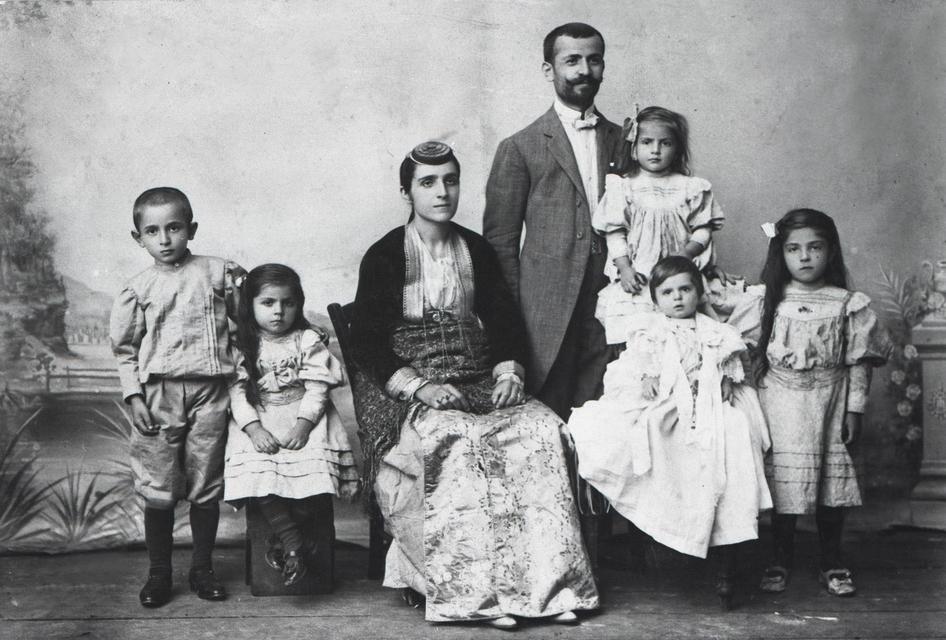
Pontus_Greek_family     If we are like most people, somewhere amongst all of our belongings there is a family photo album or two. From time to time we like to take out that photo album and relive the memory of lost loved ones or special times and events in our life. Maybe we gather around with others in our family and share stories from the past. Family is important and makes us feel like we belong to a group with a common background, common experiences, and a shared heritage. Just imagine for a moment what it would be like if God had a family photo album. Whose pictures would be in that album?
     We see that family was important to Jesus, but maybe not in the way that we think. There was an occasion where Jesus was teaching His disciples, and while He was still speaking to them He was told that his physical mother and brothers were waiting outside to speak with Him (Mark 3:31-2). Then Jesus said, “’Who is My mother, or My brothers?’  And He looked around in a circle at those who sat about Him, and said, ‘Here are My mother and My brothers!  For whoever does the will of God is My brother and My sister and mother’” (Mark 3:33-35 NKJV). Jesus stated that His spiritual family was more important to Him than His physical family.

     If we want to be a part of God’s family, if we want for our pictures to be in His “photo album,” then we need to do what Jesus says to do. Notice He said “whoever does the will of God” is His family. It is important then, that we do the will of God. Compare this to what Jesus said in the Sermon on the Mount, “Not everyone who says to Me, ‘Lord, Lord,’ shall enter the kingdom of heaven, but he who does the will of My Father in heaven” (Matthew 7:21). It is not enough for us to just call Him Lord, we must be willing to do the will of the Father to be in the family of God and to enter into the kingdom of heaven. Have you obeyed God’s will? Is your picture in God’s photo album? We invite you to come and see what God’s word has to say about the will of the Lord, so that all of us can be in God’s family!

Why Did He Do That?

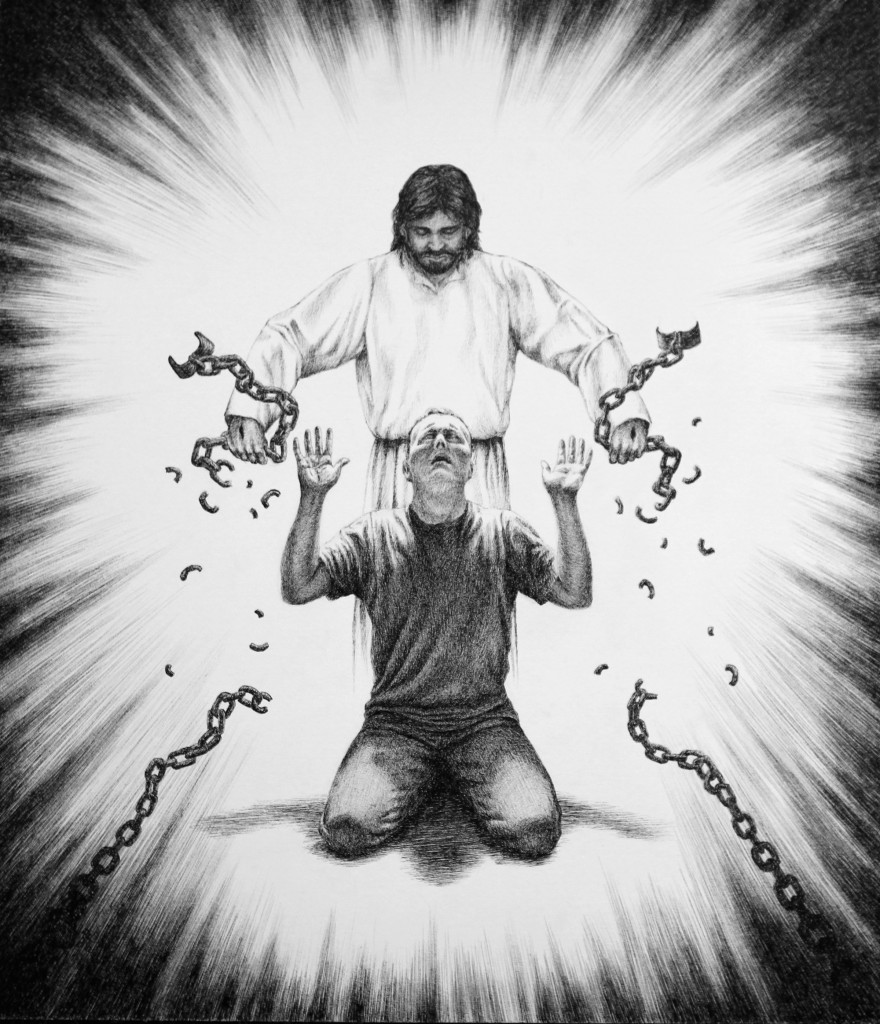
Set-Free     Have you ever wondered just why Jesus came to earth, especially at this time of the year when the world is thinking about Him? Consider for a moment what Jesus already knew before He ever left heaven. He knew that men would seek to kill Him as a toddler (Mat. 2:16). He knew that He would not be received by His own people (John 1:10-11). He knew that He would be rejected by men (Isaiah 53:3-5). He knew that He would be put to death on the cross, not for any wrong that He had done, but for the sins of mankind (Isaiah 53:9; 2 Pet. 2:22-25). And, yet, He came anyway. Why?

     Jesus left the beauties of heaven to come to earth below for one main reason. He came because He loves us all. A very popular scripture tells us that God loved us so much that He gave us His one and only unique Son, so that we might believe in Him, obey Him, and have everlasting life (John 3:16)! Because He loves us, He wants for all of mankind to be saved. The Lord is “not willing that any should perish but that all should come to repentance” (2 Peter 3:9b, NKJV). While we were yet sinners and undesirable, He came and died for us (Romans 5:8).

     Thereto is another part of the reason that Jesus came to earth. We are sinners. As human beings no matter how hard we try, we are not able to be perfect in obedience to God’s word. In Romans 3:23 we read, “for all have sinned and fall short of the glory of God.” Farther along we read, “For the wages of sin is death” (Romans 6:23a). Our sins bring us death, because they separate us from God (Isaiah 59:1-2). Since we all have sinned and separated ourselves from God, and since the just payment of our sins is death, Jesus came to take that penalty away and to reconcile us to back to God. Jesus came so that we might live.

     All Jesus asks for in return is that we believe in Him and obey Him. That is all He wants in return for His great sacrifice. If we claim to love Him, this we will do. Jesus said, “If you love Me, keep My commandments” (John 14:15).

The Choice is Ours

Fork-in-The-Road     Every day we get to make choices.  We make choices about what we eat, where we go, what we see, and what we do.  Many of the choices we make seem to only be for that moment, and then they are gone.  Others affect us for the rest of our lives.

     Consider the choice that was put before the Israelites just before they were to go into the Promised Land.  God through Moses told the people that they had a choice before them.  They could choose life and good, or they could choose death and evil (Deuteronomy 30:15).  God was not going to force them to be good or to choose the right path.  The choice was theirs.

     If they chose to do what was right, “. . . to love the Lord your God, to walk in His ways, and to keep His commandments, His statutes, and His judgments . . .” (Deuteronomy 30:16 NKJV), then they could stay in the land that was promised to their fathers forever.  However, if they chose to do that which was against God’s commands, and decided to worship other gods, then they would not be allowed to remain in that land (Deuteronomy 30:17-18).  Ultimately we know what choice they made.  They constantly went after other gods, and their idolatry led to them being taken away in the Babylonian captivity.  Thus, although a remnant returned to that land, they broke their part of the covenant relationship with God and lost the Promised Land.

     We equally have a choice before us.  Will we choose to follow God and make it to the Promised Land of heaven, or will we go our own way and lose out?  Jesus said, “I am the way, the truth, and the life. No one comes to the Father except through Me” (John 14:6).  In order to go to God, we must go through Jesus.  The choice is ours.  Our choices have consequences.  Let us therefore choose wisely!