Many preachers shy away from discussing money and giving, fearing it may seem self-serving. Yet, the Bible speaks extensively about stewardship. The word “steward” comes from Old English, meaning “house guardian” or “keeper of the hall.” Historically, stewards managed the affairs of a household or estate, overseeing servants and ensuring smooth daily operations. In essence, a steward manages what belongs to another.
It’s vital to exercise good stewardship over what God has given us. Whatever we think is ours truly belongs to God (Psalm 24:1; Psalm 50:10; 1 Chronicles 29:14). Giving to God is like buying a gift with the celebrant’s own money. From the beginning, humanity was meant to be stewards (Genesis 2:15). Our responsibility is to do well with what we’ve been given.
The Parable of the Unjust Steward
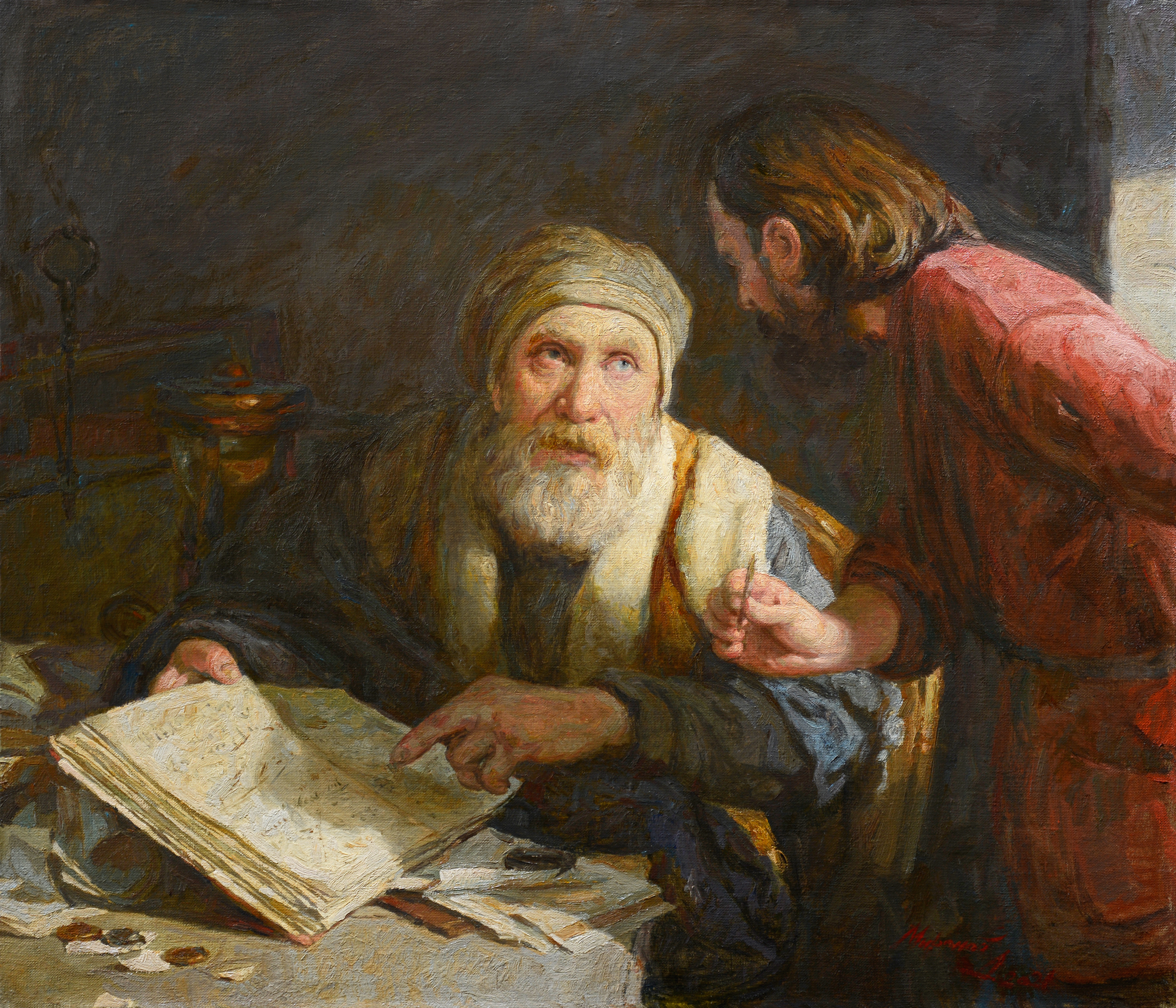
Jesus illustrates stewardship in a negative light through the Parable of the Unjust Steward (Luke 16:1-13). In this story, a steward is accused of wastefulness, in similar fashion to the prodigal son squandering his inheritance. Forced to give an account, the steward doesn’t even try to defend himself. Facing unemployment, he refuses manual labor and is too proud to beg, yet not ashamed to cheat and steal.
To secure his future, he reduces the debts of his master’s debtors, hoping they’ll help him later. These are not trivial amounts, being hundreds of gallons of oil and bushels of wheat. Would you trust someone like this? If he is willing to cheat this master, why wouldn’t he cheat you as well?
Even though the master is defrauded, he admires the steward’s shrewdness from a worldly perspective. In this parable, everyone is focused solely on wealth and possessions.
Being Focused on What Comes Next
Jesus does not commend the steward’s cunning. All the characters are unwholesome. The steward cheats, the debtors accept the amended bills knowing the truth, and the master admires shrewdness. Jesus is highlighting how much effort people put into pursuing worldly gain (Luke 16:8b). Those chasing “mammon of unrighteousness” go to great lengths to acquire it, contrasted with the pursuit of true riches (Luke 16:11-12).
Many trust in uncertain riches rather than the eternal God (1 Timothy 6:17). If we cannot properly handle what belongs to another (all we have belongs to God), how will we receive our own reward? This becomes a salvation issue. Christians often exert less effort to “win heaven” than worldly people do to “win earth.”
Consider a professional golfer who participates in relentless practice, strategic planning, and dedication to perfecting every shot. Are we as diligent in our pursuit of the lost or in serving God? Our stewardship should focus on what comes next — our eternal home.
Jesus, perhaps with sarcasm, suggests making friends with those pursuing unrighteous mammon and asking them to care for you eternally (Luke 16:9). How will that work out? It’s like God telling Israel to call out to their idols in times of trouble.
If we are not faithful in little things, how can we be trusted with true riches? (Luke 16:10; 1 Corinthians 4:2). Faithfulness in small matters leads to faithfulness in greater ones. Our focus must be on God, not mammon (Luke 16:13). You cannot serve two masters, because eventually, you must choose one over the other. Mammon says blessing comes from gaining; God says blessing comes from giving. These cannot be reconciled. Galatians 6:6-10 and 1 Peter 4:7-11 remind us to have the right attitude and motivation: to glorify God.
Conclusion
Why did Jesus tell this parable? Some listeners loved money and were unwilling to share (Luke 16:14; 1 Timothy 6:10). They cared only for themselves, missing the bigger picture. They understood Jesus’ message and derided Him.
To be prepared for the hereafter, we must be good stewards now. Who would entrust great riches to someone who cannot handle a little? The greatest riches await us in heaven, but what we do with what we have now matters. We must behave in a way that is worthy and make our blessings count.
 salvation's path